
Compact Tractor
Product Overview
The compact tractor is a versatile and powerful machine designed for various agricultural and landscaping tasks. With its smaller size and maneuverability, this tractor is ideal for farms, gardens, and construction sites where space is limited. Engineered for efficiency and performance, the compact tractor combines innovative technology with robust design, making it a reliable choice for both professional and personal use.
Key Features
- Powerful Engine: Equipped with a high-performance engine that ensures optimal power while maintaining fuel efficiency.
- Compact Design: Smaller dimensions allow for easy navigation in tight spaces without compromising on performance.
- Versatile Attachments: Compatible with a wide range of attachments including loaders, backhoes, and mowers, enhancing its functionality.
- Easy Operation: User-friendly controls and ergonomic design make it accessible for operators of all skill levels.
- Durable Construction: Built with high-quality materials to withstand tough working conditions and prolonged use.
Technical Specifications
| Specification | Details |
|---|---|
| Engine Type | Diesel, 4-Stroke, Liquid-Cooled |
| Horsepower | 25-50 HP |
| Transmission | Hydrostatic or Gear Drive |
| Weight | 1500-2500 lbs |
| Dimensions (L x W x H) | 100 x 50 x 60 inches |
| Fuel Tank Capacity | 10-15 gallons |
| Lift Capacity | 1500-2000 lbs |
Application Scenarios
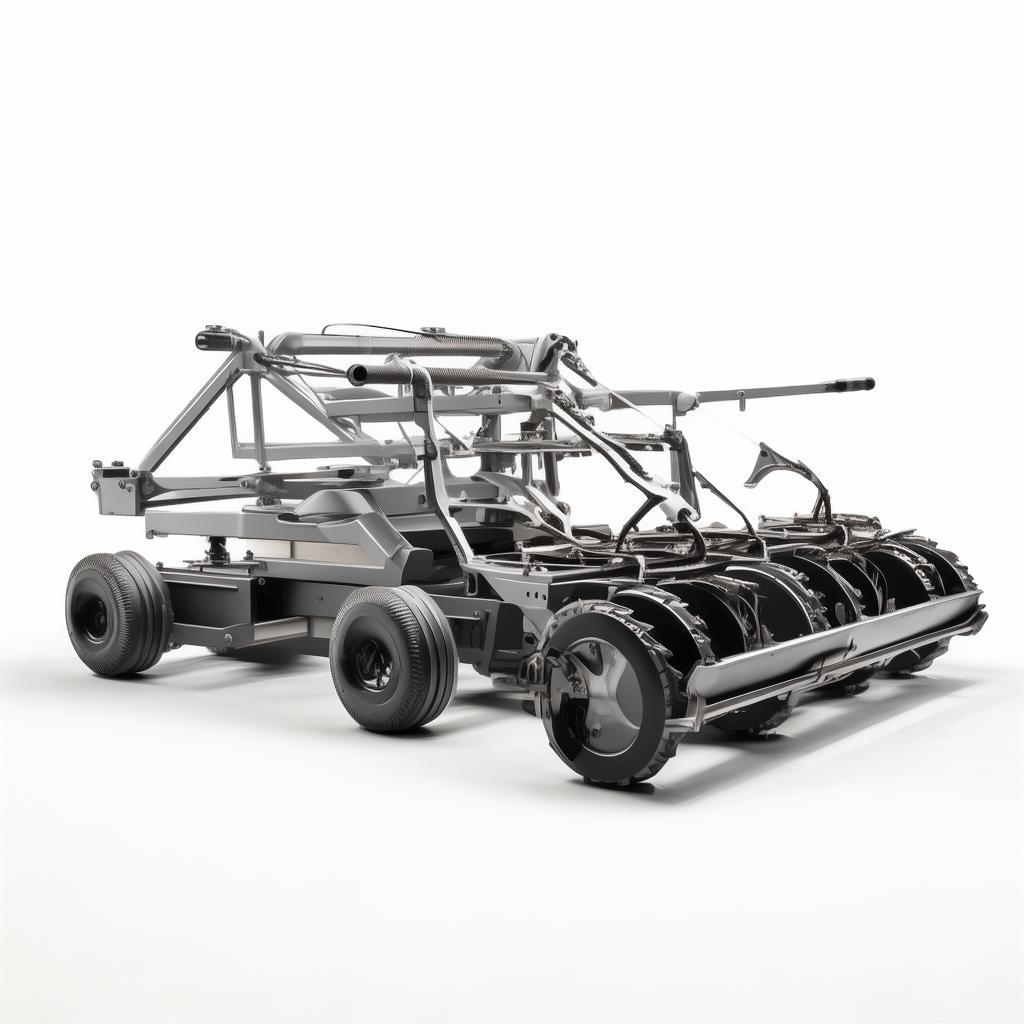
The compact tractor is designed to handle a variety of tasks across different environments:
- Agricultural Use: Ideal for planting, tilling, and harvesting crops on small farms.
- Landscaping: Perfect for mowing, grading, and maintaining gardens and parks.
- Construction: Useful for digging, loading, and moving materials on construction sites.
- Property Maintenance: Excellent for homeowners with larger properties needing regular maintenance and care.
Advantages
Investing in a compact tractor provides numerous benefits:
- Cost-Effective: Its efficiency allows for lower fuel consumption and reduced operational costs.
- Space-Saving: The compact size makes it a perfect fit for small spaces, allowing for maximum utility.
- Multi-Functional: With the ability to attach various implements, it can perform multiple tasks, reducing the need for additional equipment.
- Enhanced Productivity: Increases work efficiency by allowing operators to complete tasks faster and with greater ease.
- Low Maintenance: Designed for durability, requiring minimal upkeep to keep it running smoothly.
Why Choose Us
At [Your Company Name], we are committed to providing high-quality compact tractors that meet the diverse needs of our customers. Our extensive experience in the industry allows us to offer:
- Expertise: A knowledgeable team that understands the intricacies of equipment and can provide tailored solutions.
- Quality Assurance: Every compact tractor undergoes rigorous testing to ensure reliability and performance.
- Customer Support: Dedicated support to assist with inquiries, maintenance advice, and after-sales service.
- Global Reach: We export our products worldwide, ensuring that customers in different markets can benefit from our offerings.
FAQ
1. What is the primary use of a compact tractor?
A compact tractor is primarily used for agricultural tasks, landscaping, and construction. Its versatility allows it to perform various functions with appropriate attachments.
2. How much horsepower do I need for my tasks?
The required horsepower depends on the specific tasks you intend to perform. For light tasks, a tractor with 25 HP may suffice, while heavier tasks may require up to 50 HP.
3. Can I use a compact tractor for snow removal?
Yes, many compact tractors can be equipped with snow plows or snow blowers, making them effective for snow removal during winter.
4. Are compact tractors easy to operate?
Yes, compact tractors are designed for ease of use, featuring intuitive controls that make them accessible to operators of all skill levels.
5. What maintenance is required for a compact tractor?
Regular maintenance includes checking fluid levels, changing the oil, inspecting the filters, and ensuring that all parts are functioning correctly. Following the manufacturer’s guidelines will keep your tractor in optimal condition.



 English
  Afrikaans
  Albanian
  Amharic
  Arabic
  Armenian
  Azerbaijani
  Basque
  Belarusian
  Bengali
  Bosnian
  Bulgarian
  Catalan
  Cebuano
  Corsican
  Croatian
  Czech
Czech  Danish
  Dutch
Dutch  Esperanto
  Estonian
  Finnish
  French
  Frisian
  Galician
  Georgian
  German
  Greek
Greek  Gujarati
  Haitian Creole
  Hausa
Hausa  Hebrew
  Hindi
Hindi  Miao
Miao  Hungarian
  Icelandic
  Igbo
Igbo  Indonesian
  Irish
Irish  Italian
  Japanese
  Javanese
  Kazakh
  Khmer
Khmer  Rwandese
  Korean
  Kurdish
  Kyrgyz
  Lao
Lao  Latin
Latin  Latvian
  Lithuanian
  Luxembourgish
  Macedonian
  Malgashi
  Malay
Malay  Malayalam
  Maltese
  Maori
Maori  Marathi
  Mongolian
  Myanmar
  Nepali
  Norwegian
  Norwegian
  Occitan
  Pashto
  Persian
  Polish
  Portuguese
  Romanian
  Russian
  Samoan
  Scottish Gaelic
  Serbian
  Sesotho
  Shona
Shona  Sindhi
  Sinhala
  Slovak
  Slovenian
  Somali
  Spanish
  Sundanese
  Swahili
  Swedish
  Tajik
Tajik  Tamil
Tamil  Tatar
Tatar  Telugu
  Thai
Thai  Turkish
  Turkmen
  Ukrainian
  Urdu
Urdu  Uighur
  Uzbek
Uzbek  Vietnamese
  Welsh
Welsh  Bantu
Bantu  Yiddish
  Yoruba
  Zulu
Zulu