
Conventional Seed Drill
The conventional seed drill is an essential agricultural tool designed to facilitate the precise sowing of seeds in rows at uniform depth and spacing. This equipment plays a crucial role in modern farming practices, ensuring optimal seed placement for enhanced germination rates and crop yields. With its robust construction and user-friendly features, the conventional seed drill is ideal for a wide range of farming applications.
Key Features
- Precision Seed Placement: Ensures even distribution of seeds at controlled depths.
- Durable Construction: Made from high-quality materials to withstand harsh field conditions.
- Adjustable Row Spacing: Flexibility to customize row width according to specific crop requirements.
- User-Friendly Design: Easy to operate and maintain, suitable for all levels of farmers.
- Minimal Soil Disturbance: Reduces soil erosion and enhances moisture retention.
Technical Specifications
| Specification | Details |
|---|---|
| Model | XYZ-2000 |
| Working Width | 2.0 meters |
| Row Spacing | 12.5 cm to 25 cm (adjustable) |
| Seed Capacity | 150 liters |
| Weight | 500 kg |
| Power Requirement | 40 HP tractor |
Application Scenarios
The conventional seed drill is versatile and can be utilized in various agricultural settings, including:
- Cereal Crops: Ideal for sowing wheat, barley, and oats with precision.
- Legumes: Perfect for planting pulses such as peas and beans.
- Oilseeds: Efficiently sows crops like canola and sunflower.
- Pasture Establishment: Helps in establishing grass seeds for pasture enhancement.
- Cover Crops: Useful for planting cover crops to improve soil health.
Advantages
Utilizing a conventional seed drill offers numerous advantages for farmers, including:
- Increased Efficiency: Reduces planting time and labor costs by enabling simultaneous sowing of multiple rows.
- Improved Crop Uniformity: Achieves uniform plant stands, leading to better competition for nutrients and moisture.
- Soil Health Preservation: Minimizes soil disturbance, promoting healthier soil ecosystems.
- Cost-Effective: Durable design ensures long-term use, providing excellent return on investment.
- Enhanced Yield Potential: Higher germination rates and better crop establishment result in increased yields.
Why Choose Us
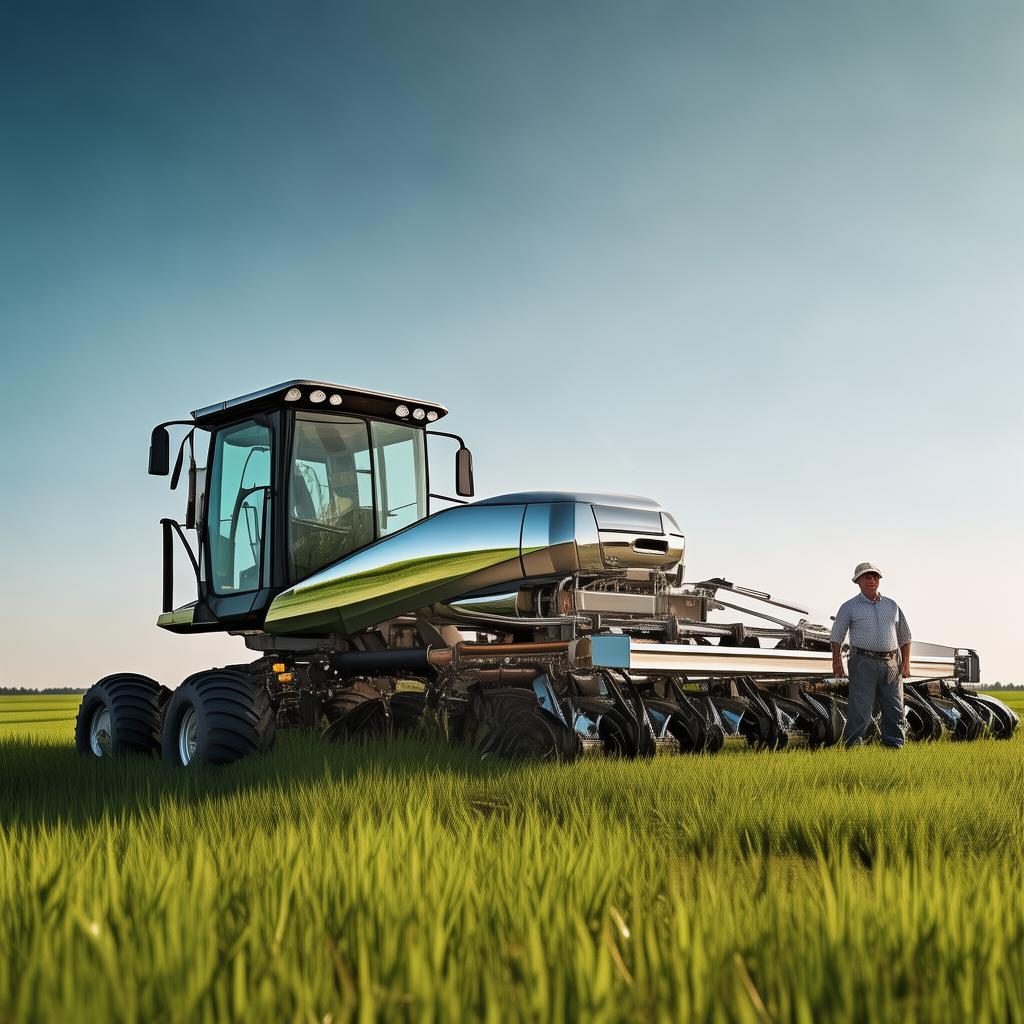
When selecting a conventional seed drill, partnering with a reputable manufacturer is crucial. Here’s why you should choose us:
- Expertise: With years of experience in agricultural equipment, we provide products that meet the highest industry standards.
- Quality Assurance: Our conventional seed drills undergo rigorous testing to ensure reliability and performance.
- Customer Support: We offer comprehensive support, from pre-purchase consultations to after-sales service.
- Innovation: Our commitment to research and development ensures we stay ahead with the latest technology.
- Global Reach: We serve clients in various countries, adapting our solutions to meet local agricultural needs.
FAQ
1. What is a conventional seed drill?
A conventional seed drill is a farming implement designed to sow seeds in a precise and controlled manner, ensuring uniform depth and spacing across the planting area.
2. How does a conventional seed drill work?
The seed drill works by using a series of tubes that drop seeds into the soil at predetermined depths while simultaneously covering them with soil to promote optimal germination.
3. What types of seeds can be sown using a conventional seed drill?
Most conventional seed drills can sow a variety of seeds, including cereals, legumes, oilseeds, and cover crops, making them highly versatile for different agricultural practices.
4. What tractor power is required for operating a conventional seed drill?
The power requirement varies by model, but typically, a conventional seed drill like our XYZ-2000 requires a tractor with at least 40 HP.
5. Can I adjust the row spacing on a conventional seed drill?
Yes, many conventional seed drills feature adjustable row spacing, allowing farmers to customize their planting configuration according to the specific needs of their crops.
6. How do I maintain a conventional seed drill?
Regular maintenance includes checking for wear and tear on components, ensuring proper calibration for seed depth and spacing, and cleaning after use to prevent blockages.
7. What is the expected lifespan of a conventional seed drill?
With proper maintenance, a conventional seed drill can last for many years, often exceeding a decade, making it a valuable investment for farmers.



 English
  Afrikaans
  Albanian
  Amharic
  Arabic
  Armenian
  Azerbaijani
  Basque
  Belarusian
  Bengali
  Bosnian
  Bulgarian
  Catalan
  Cebuano
  Corsican
  Croatian
  Czech
Czech  Danish
  Dutch
Dutch  Esperanto
  Estonian
  Finnish
  French
  Frisian
  Galician
  Georgian
  German
  Greek
Greek  Gujarati
  Haitian Creole
  Hausa
Hausa  Hebrew
  Hindi
Hindi  Miao
Miao  Hungarian
  Icelandic
  Igbo
Igbo  Indonesian
  Irish
Irish  Italian
  Japanese
  Javanese
  Kazakh
  Khmer
Khmer  Rwandese
  Korean
  Kurdish
  Kyrgyz
  Lao
Lao  Latin
Latin  Latvian
  Lithuanian
  Luxembourgish
  Macedonian
  Malgashi
  Malay
Malay  Malayalam
  Maltese
  Maori
Maori  Marathi
  Mongolian
  Myanmar
  Nepali
  Norwegian
  Norwegian
  Occitan
  Pashto
  Persian
  Polish
  Portuguese
  Romanian
  Russian
  Samoan
  Scottish Gaelic
  Serbian
  Sesotho
  Shona
Shona  Sindhi
  Sinhala
  Slovak
  Slovenian
  Somali
  Spanish
  Sundanese
  Swahili
  Swedish
  Tajik
Tajik  Tamil
Tamil  Tatar
Tatar  Telugu
  Thai
Thai  Turkish
  Turkmen
  Ukrainian
  Urdu
Urdu  Uighur
  Uzbek
Uzbek  Vietnamese
  Welsh
Welsh  Bantu
Bantu  Yiddish
  Yoruba
  Zulu
Zulu