Harvester Function
Product Overview
The harvester function is an advanced agricultural technology designed to optimize harvesting processes in various farming operations. This innovative feature enhances efficiency, reduces labor costs, and increases crop yield by employing state-of-the-art mechanisms that automate and streamline the harvesting process. Whether you are managing a large-scale farm or a small agricultural venture, the harvester function offers significant advantages in productivity and operational effectiveness.
Key Features
- Automated Harvesting: The harvester function automates the collection of crops, minimizing the need for manual labor and reducing harvesting time.
- Precision Technology: Equipped with advanced sensors and algorithms, the harvester function ensures precise crop selection and collection, minimizing waste.
- Versatile Compatibility: This function is compatible with a variety of crops, from grains to fruits, making it an adaptable solution for different agricultural sectors.
- Real-Time Monitoring: Integrated monitoring systems allow for real-time data analysis, providing farmers with insights into crop health and yield potential.
- Durable Construction: Built with high-quality materials, the harvester function is designed to withstand harsh agricultural environments, ensuring long-term reliability.
Technical Specifications
| Specification | Details |
|---|---|
| Model | HF-2023 |
| Power Supply | Electric, 220V |
| Harvesting Capacity | Up to 5 tons/hour |
| Weight | 500 kg |
| Dimensions | 2.5m x 1.5m x 1.8m |
| Control System | Automated with manual override |
Application Scenarios
The harvester function is versatile and can be applied in various agricultural settings, including:
- Cereal Crops: Efficiently harvest wheat, barley, and rice with minimal grain loss.
- Fruit Orchards: Ideal for picking fruits such as apples, oranges, and berries, reducing the risk of damage.
- Vegetable Farms: Streamlines the harvesting of root vegetables like carrots and potatoes, enhancing productivity.
- Greenhouses: Optimizes harvesting processes in controlled environments, improving overall yield.
Advantages
The implementation of the harvester function in agricultural operations comes with numerous advantages:
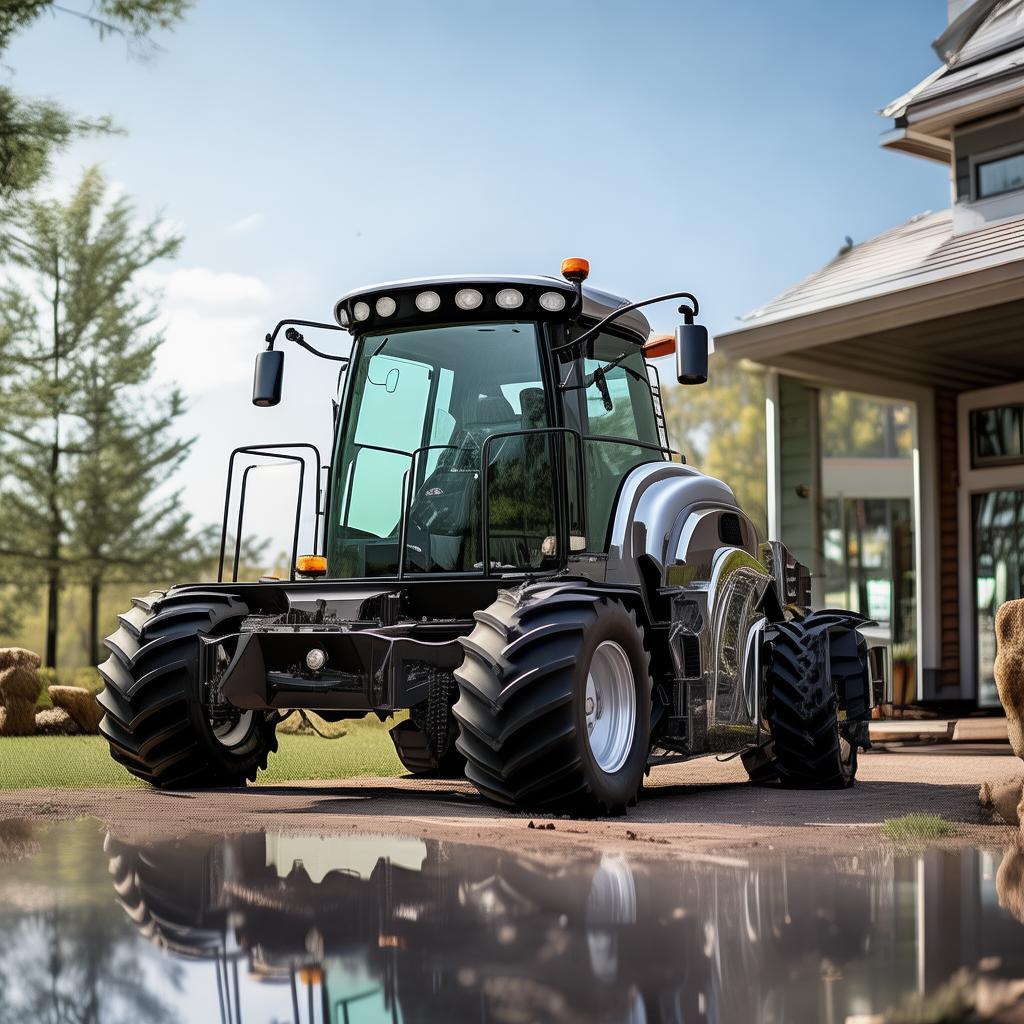
- Increased Efficiency: By automating the harvesting process, farmers can achieve higher output levels in shorter time frames.
- Cost Savings: Reduces labor costs significantly, as fewer workers are needed for harvesting tasks.
- Improved Crop Quality: Precision harvesting minimizes damage to crops, ensuring better market quality and higher prices.
- Data-Driven Decisions: Real-time monitoring provides farmers with critical data, enabling informed decision-making to enhance crop management.
- Environmental Sustainability: Efficient harvesting reduces waste and promotes sustainable farming practices.
Why Choose Us
Choosing our harvester function means partnering with a trusted leader in agricultural technology. Our commitment to quality, innovation, and customer satisfaction sets us apart in the industry. Here’s why you should choose us:
- Expertise: Our team consists of experienced professionals with a deep understanding of agricultural needs and challenges.
- Quality Assurance: We adhere to strict quality control measures to ensure that our products meet international standards.
- Customer Support: We offer comprehensive support and training for our customers, ensuring successful implementation and operation of the harvester function.
- Innovation: Continuously investing in research and development, we strive to bring the latest advancements in agricultural technology to our clients.
FAQ
1. What types of crops can the harvester function be used for?
The harvester function is compatible with a wide range of crops including grains, fruits, and vegetables. Its versatility makes it suitable for various agricultural applications.
2. How does the automated system work?
The automated system uses advanced sensors and algorithms to identify and collect ripe crops efficiently, ensuring minimal waste and maximum yield.
3. Is training provided for using the harvester function?
Yes, we provide comprehensive training and support to ensure that users can operate the harvester function effectively and safely.
4. What is the maintenance requirement for the harvester function?
Regular maintenance includes checking the sensors, cleaning the harvesting components, and ensuring that the power supply is functioning correctly. We provide a maintenance schedule to our customers.
5. Can the harvester function be customized for specific farming needs?
Yes, our team can work with you to customize the harvester function according to your specific requirements and operational needs.



 English
  Afrikaans
  Albanian
  Amharic
  Arabic
  Armenian
  Azerbaijani
  Basque
  Belarusian
  Bengali
  Bosnian
  Bulgarian
  Catalan
  Cebuano
  Corsican
  Croatian
  Czech
Czech  Danish
  Dutch
Dutch  Esperanto
  Estonian
  Finnish
  French
  Frisian
  Galician
  Georgian
  German
  Greek
Greek  Gujarati
  Haitian Creole
  Hausa
Hausa  Hebrew
  Hindi
Hindi  Miao
Miao  Hungarian
  Icelandic
  Igbo
Igbo  Indonesian
  Irish
Irish  Italian
  Japanese
  Javanese
  Kazakh
  Khmer
Khmer  Rwandese
  Korean
  Kurdish
  Kyrgyz
  Lao
Lao  Latin
Latin  Latvian
  Lithuanian
  Luxembourgish
  Macedonian
  Malgashi
  Malay
Malay  Malayalam
  Maltese
  Maori
Maori  Marathi
  Mongolian
  Myanmar
  Nepali
  Norwegian
  Norwegian
  Occitan
  Pashto
  Persian
  Polish
  Portuguese
  Romanian
  Russian
  Samoan
  Scottish Gaelic
  Serbian
  Sesotho
  Shona
Shona  Sindhi
  Sinhala
  Slovak
  Slovenian
  Somali
  Spanish
  Sundanese
  Swahili
  Swedish
  Tajik
Tajik  Tamil
Tamil  Tatar
Tatar  Telugu
  Thai
Thai  Turkish
  Turkmen
  Ukrainian
  Urdu
Urdu  Uighur
  Uzbek
Uzbek  Vietnamese
  Welsh
Welsh  Bantu
Bantu  Yiddish
  Yoruba
  Zulu
Zulu