
Harvester Types
The world of agriculture has seen significant advancements in technology, with various harvester types catering to the diverse needs of modern farming. Harvester machines are essential for efficiently gathering crops from the fields, ensuring minimal loss and maximizing productivity. This page provides an in-depth overview of the different types of harvesters available, their features, specifications, applications, advantages, and reasons to choose our products for your agricultural needs.
Product Overview
Harvesters are specialized machinery designed to streamline the process of harvesting crops from fields. Depending on the type of crop and the specific requirements of the farming operation, different harvester types are deployed. From traditional combines to modern self-propelled machines, each type of harvester is engineered for optimal performance, efficiency, and reliability.
Key Features
- Versatility: Multiple harvester types available for various crops, including grains, fruits, vegetables, and more.
- Efficiency: High-speed operation reduces harvesting time, facilitating quick turnaround between planting and harvesting cycles.
- Precision: Advanced technology such as GPS and automated controls enhance accuracy and reduce waste.
- Durability: Built with high-quality materials to withstand harsh agricultural environments.
- Ease of Use: User-friendly interfaces and controls simplify operation, allowing operators to focus on productivity.
Technical Specifications
| Harvester Type | Engine Power (HP) | Cutting Width (m) | Weight (kg) | Fuel Type |
|---|---|---|---|---|
| Combine Harvester | 150 - 450 | 4.0 - 12.0 | 8000 - 15000 | Diesel |
| Self-Propelled Harvester | 200 - 600 | 5.0 - 10.0 | 10000 - 20000 | Diesel |
| Grain Harvester | 100 - 300 | 3.0 - 7.0 | 5000 - 10000 | Diesel |
| Forage Harvester | 150 - 500 | 2.5 - 6.0 | 7000 - 12000 | Diesel |
Application Scenarios
Understanding the specific harvester types and their applications is crucial for farmers and agricultural businesses. Here are some common scenarios where different harvesters excel:
- Combining Cereals: Combine harvesters are ideal for harvesting grains such as wheat, barley, and rice, significantly reducing labor and time.
- Harvesting Fruits: Self-propelled harvesters are designed for orchards, effectively picking fruits like apples and cherries without damaging the crops.
- Forage Collection: Forage harvesters are utilized for collecting grasses and legumes, essential for livestock feed.
- Vegetable Harvesting: Specialized harvesters are designed for specific vegetables, ensuring efficient gathering while minimizing damage.
Advantages
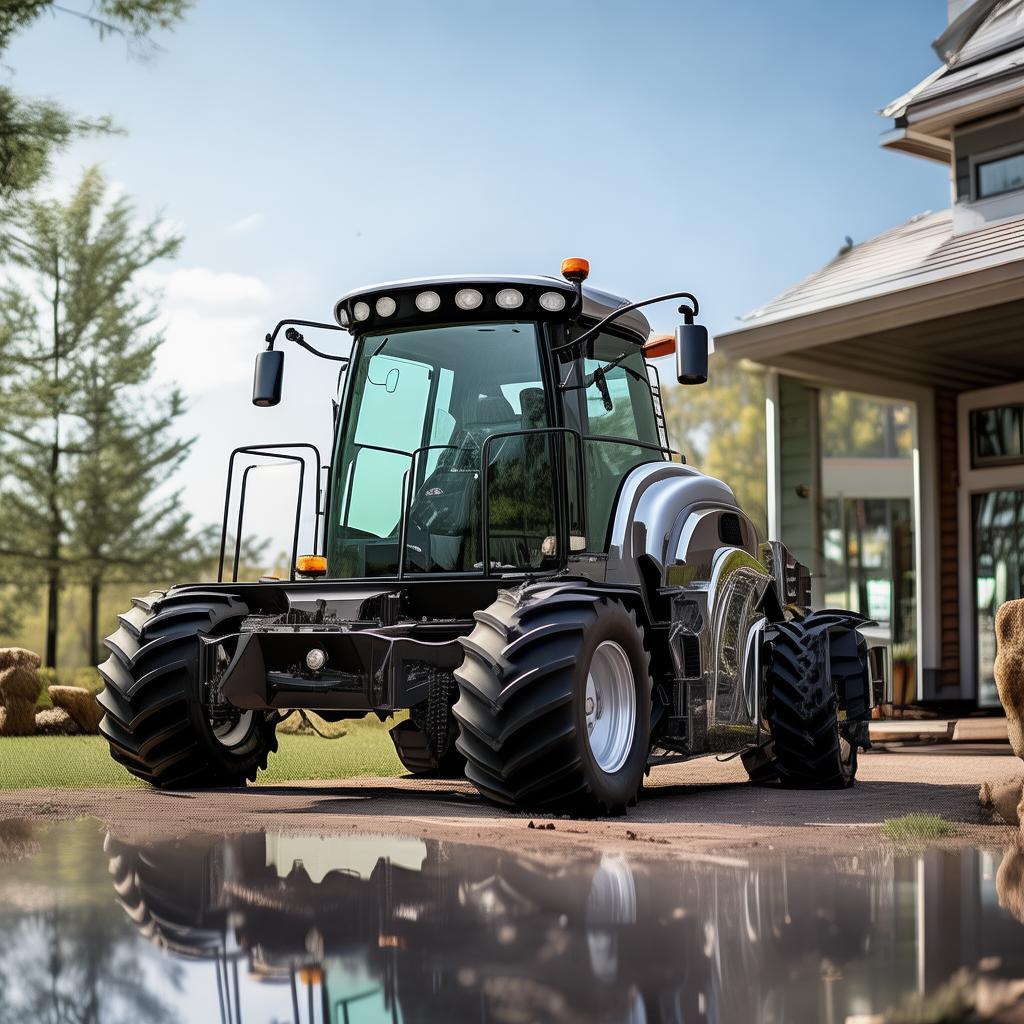
Choosing the right harvester types offers numerous advantages that can significantly impact agricultural productivity:
- Increased Productivity: High-capacity machines can harvest larger areas in shorter times, allowing for timely planting of subsequent crops.
- Labor Efficiency: Automated features reduce the need for manual labor, enabling farmers to allocate resources more effectively.
- Reduced Crop Loss: Advanced harvesting technologies minimize the risk of crop damage and loss, ensuring higher yields.
- Cost-Effectiveness: Investing in modern harvesting equipment leads to long-term savings by decreasing operational costs and increasing efficiency.
Why Choose Us
When selecting a provider for your harvesting needs, consider the following reasons to choose us:
- Expertise: With years of experience in the agricultural machinery sector, we understand the nuances of different harvester types and their applications.
- Quality Assurance: We offer reliable products built to the highest standards, ensuring durability and performance in the field.
- Comprehensive Support: Our dedicated customer service team is always ready to assist with any inquiries or technical support you may need.
- Customization: We provide tailored solutions to meet the specific needs of your agricultural operations, ensuring you get the right harvester for your requirements.
FAQ
What are the different types of harvesters available?
There are several types of harvesters including combine harvesters, self-propelled harvesters, grain harvesters, and forage harvesters, each designed for specific crops and harvesting methods.
How do I choose the right harvester type for my farm?
Consider the type of crops you grow, the size of your fields, and your budget. Consultation with agricultural machinery experts can also help in making the right choice.
What maintenance do harvesters require?
Regular maintenance includes checking and replacing oil, inspecting belts and chains, cleaning filters, and ensuring all moving parts are lubricated. It's also essential to store harvesters properly during the off-season.
Are your harvesters suitable for large-scale farming?
Yes, we offer a range of robust and high-capacity harvesters designed specifically for large-scale agricultural operations, ensuring efficiency and productivity.
Can I get spare parts for the harvesters?
We provide a comprehensive range of spare parts for all our harvester types, ensuring you can maintain your machinery without delays.



 English
  Afrikaans
  Albanian
  Amharic
  Arabic
  Armenian
  Azerbaijani
  Basque
  Belarusian
  Bengali
  Bosnian
  Bulgarian
  Catalan
  Cebuano
  Corsican
  Croatian
  Czech
Czech  Danish
  Dutch
Dutch  Esperanto
  Estonian
  Finnish
  French
  Frisian
  Galician
  Georgian
  German
  Greek
Greek  Gujarati
  Haitian Creole
  Hausa
Hausa  Hebrew
  Hindi
Hindi  Miao
Miao  Hungarian
  Icelandic
  Igbo
Igbo  Indonesian
  Irish
Irish  Italian
  Japanese
  Javanese
  Kazakh
  Khmer
Khmer  Rwandese
  Korean
  Kurdish
  Kyrgyz
  Lao
Lao  Latin
Latin  Latvian
  Lithuanian
  Luxembourgish
  Macedonian
  Malgashi
  Malay
Malay  Malayalam
  Maltese
  Maori
Maori  Marathi
  Mongolian
  Myanmar
  Nepali
  Norwegian
  Norwegian
  Occitan
  Pashto
  Persian
  Polish
  Portuguese
  Romanian
  Russian
  Samoan
  Scottish Gaelic
  Serbian
  Sesotho
  Shona
Shona  Sindhi
  Sinhala
  Slovak
  Slovenian
  Somali
  Spanish
  Sundanese
  Swahili
  Swedish
  Tajik
Tajik  Tamil
Tamil  Tatar
Tatar  Telugu
  Thai
Thai  Turkish
  Turkmen
  Ukrainian
  Urdu
Urdu  Uighur
  Uzbek
Uzbek  Vietnamese
  Welsh
Welsh  Bantu
Bantu  Yiddish
  Yoruba
  Zulu
Zulu