
How Do Corn Harvesters Work
Corn harvesters are essential machinery in modern agriculture, designed for efficiently gathering corn from fields. Understanding how corn harvesters work is crucial for farmers looking to optimize their harvesting processes. This page provides a comprehensive overview of corn harvesters, detailing their features, specifications, applications, advantages, and answers to common questions.
Product Overview
Corn harvesters, also known as corn pickers or corn combines, are specialized machines that streamline the corn harvesting process. They are engineered to separate the corn kernels from the cob quickly and efficiently, reducing labor costs and increasing productivity. By utilizing advanced technology and innovative design, corn harvesters ensure that farmers can gather their crops with minimal waste and maximum effectiveness.
Key Features
- Highly Efficient Harvesting: Designed to cut, gather, and process corn swiftly.
- Advanced Technology: Equipped with cutting-edge sensors and automation systems.
- Adjustable Settings: Customizable for different corn varieties and field conditions.
- Robust Build: Durable materials ensure longevity and reliability in various environments.
- Ergonomic Design: Operator comfort is prioritized, with user-friendly controls and visibility.
Technical Specifications
| Specification | Details |
|---|---|
| Model | CornMaster 3000 |
| Harvesting Capacity | Up to 10 acres/hour |
| Engine Power | 250 HP |
| Weight | 12,000 lbs |
| Dimensions | 25 ft (L) x 10 ft (W) x 12 ft (H) |
| Grain Tank Capacity | 200 bushels |
Application Scenarios
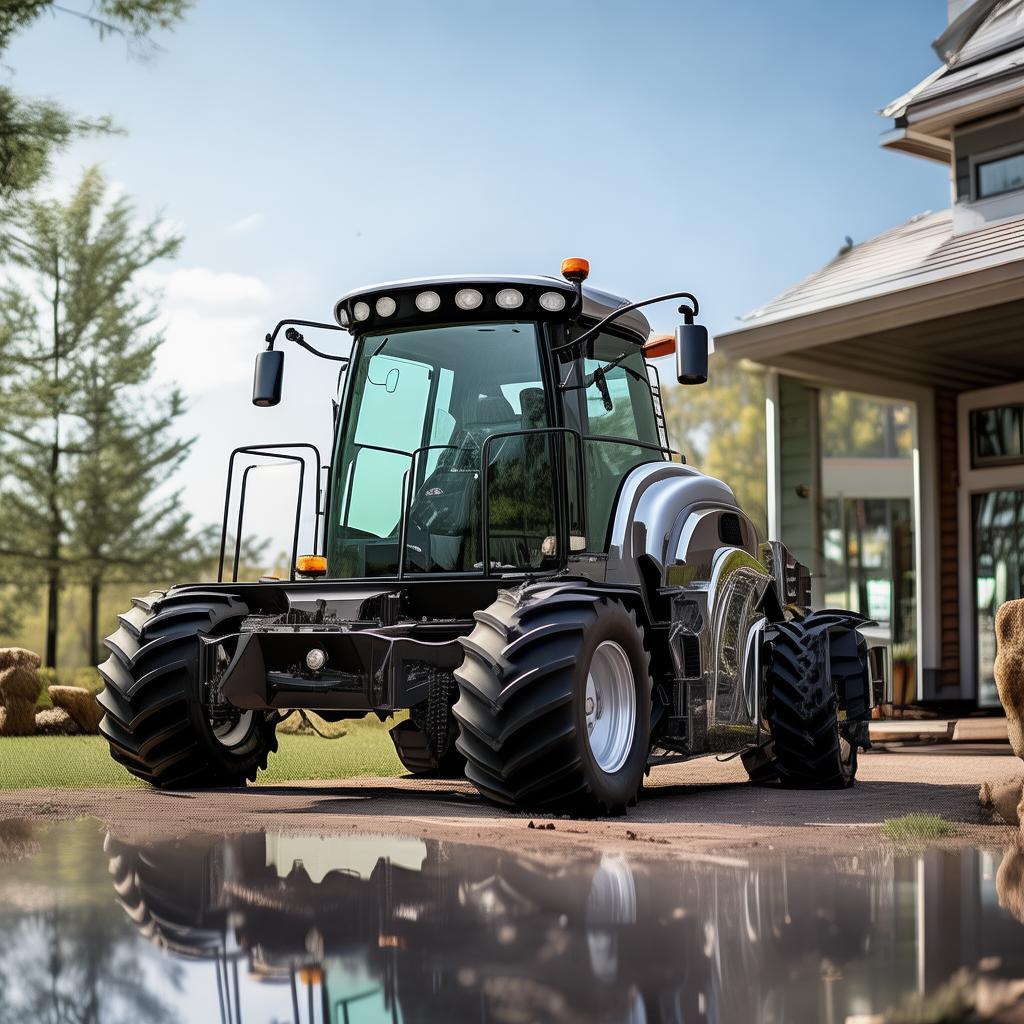
Corn harvesters are indispensable in various agricultural scenarios:
- Large-Scale Farms: Ideal for extensive corn fields where rapid harvest is essential.
- Cooperative Farming: Shared utilization among farmers to optimize costs and resources.
- Sustainable Agriculture: Effective in reducing crop waste and improving yield quality.
- Research Facilities: Used in agricultural research to study harvesting techniques and outcomes.
Advantages
Understanding how corn harvesters work reveals several advantages for farmers:
- Time-Saving: Significantly reduces the time taken to harvest corn compared to manual methods.
- Increased Yield: Optimizes the harvesting process to minimize crop loss and maximize yield.
- Cost-Effective: Reduces labor costs and increases overall productivity, providing better returns on investment.
- Precision: Modern harvesters accurately separate the grain from the cob, ensuring high-quality harvest.
- Versatility: Capable of adapting to various terrains and corn types, making them suitable for diverse agricultural needs.
Why Choose Us
When considering how corn harvesters work, choosing the right partner is crucial. Our company stands out for several reasons:
- Expertise: Years of experience in agricultural machinery ensures you receive top-quality products.
- Customer-Centric Approach: We prioritize your needs, providing tailored solutions and support.
- Innovative Technology: Our harvesters incorporate the latest advancements to enhance efficiency and performance.
- Comprehensive Support: From purchase to maintenance, we offer full support to ensure optimal operation.
- Sustainable Practices: We are committed to environmentally friendly solutions that benefit both farmers and the planet.
FAQ
1. How do corn harvesters work?
Corn harvesters work by using a series of cutting blades to sever the corn stalks, which are then fed into the machine. The corn heads gather the ears, and the kernels are separated from the cob through a series of mechanical processes, efficiently collecting the grain into a storage tank.
2. What maintenance do corn harvesters require?
Regular maintenance includes checking and replacing blades, lubricating moving parts, inspecting hydraulic systems, and ensuring that sensors are functioning correctly. Routine cleaning after use is also essential to prevent buildup and ensure optimal performance.
3. Can corn harvesters be used for other crops?
Yes, many modern corn harvesters are versatile enough to harvest other grain crops, such as soybeans and wheat, by changing the header attachment. However, specialized equipment may be required for optimal results with other crops.
4. What is the average lifespan of a corn harvester?
The average lifespan of a corn harvester can vary based on usage and maintenance but typically ranges from 10 to 15 years. Regular maintenance and timely repairs can extend the lifespan significantly.
5. Are corn harvesters cost-effective?
Yes, while the initial investment may be significant, corn harvesters are cost-effective in the long run. They reduce labor costs, increase harvesting speed, and minimize crop loss, leading to better overall efficiency and profitability.



 English
  Afrikaans
  Albanian
  Amharic
  Arabic
  Armenian
  Azerbaijani
  Basque
  Belarusian
  Bengali
  Bosnian
  Bulgarian
  Catalan
  Cebuano
  Corsican
  Croatian
  Czech
Czech  Danish
  Dutch
Dutch  Esperanto
  Estonian
  Finnish
  French
  Frisian
  Galician
  Georgian
  German
  Greek
Greek  Gujarati
  Haitian Creole
  Hausa
Hausa  Hebrew
  Hindi
Hindi  Miao
Miao  Hungarian
  Icelandic
  Igbo
Igbo  Indonesian
  Irish
Irish  Italian
  Japanese
  Javanese
  Kazakh
  Khmer
Khmer  Rwandese
  Korean
  Kurdish
  Kyrgyz
  Lao
Lao  Latin
Latin  Latvian
  Lithuanian
  Luxembourgish
  Macedonian
  Malgashi
  Malay
Malay  Malayalam
  Maltese
  Maori
Maori  Marathi
  Mongolian
  Myanmar
  Nepali
  Norwegian
  Norwegian
  Occitan
  Pashto
  Persian
  Polish
  Portuguese
  Romanian
  Russian
  Samoan
  Scottish Gaelic
  Serbian
  Sesotho
  Shona
Shona  Sindhi
  Sinhala
  Slovak
  Slovenian
  Somali
  Spanish
  Sundanese
  Swahili
  Swedish
  Tajik
Tajik  Tamil
Tamil  Tatar
Tatar  Telugu
  Thai
Thai  Turkish
  Turkmen
  Ukrainian
  Urdu
Urdu  Uighur
  Uzbek
Uzbek  Vietnamese
  Welsh
Welsh  Bantu
Bantu  Yiddish
  Yoruba
  Zulu
Zulu