
How Does a Combine Harvest Corn
The combine harvester is an essential piece of agricultural machinery designed to efficiently harvest corn. Understanding how does a combine harvest corn can greatly enhance operational efficiency and crop yield. This advanced machinery integrates multiple harvesting functions into one process, allowing for a quicker and more effective corn harvesting experience.
Product Overview
A combine harvester operates by cutting, threshing, and cleaning corn in a single pass. This multi-functional design minimizes the labor and time associated with traditional harvesting methods, making it a game-changer for farmers worldwide. The combine harvester is equipped with various components that work together seamlessly to ensure optimal performance. From the cutting header that slices through the cornstalks to the grain tank that collects the harvested corn, each component plays a vital role in the harvesting process.
Key Features
- Multi-Functional Operation: Integrates cutting, threshing, and cleaning functions.
- High Efficiency: Reduces harvesting time significantly.
- Precision Engineering: Designed to minimize crop loss and maximize yield.
- Advanced Technology: Incorporates GPS and automation for precision farming.
- Durable Construction: Built to withstand harsh agricultural conditions.
Technical Specifications
| Specification | Details |
|---|---|
| Model | XYZ-1200 |
| Engine Power | 250 HP |
| Grain Tank Capacity | 3000 liters |
| Cutting Width | 6.0 meters |
| Weight | 8000 kg |
| Dimensions | 4.5m x 2.5m x 3.0m |
Application Scenarios
Understanding how does a combine harvest corn is crucial for various agricultural scenarios:
- Large Scale Farming: Ideal for extensive cornfields, enabling rapid harvesting with minimal manpower.
- Precision Agriculture: Utilizes GPS technology for accurate field mapping and reduced waste.
- Organic Farming: Configured for minimal soil disturbance, maintaining organic integrity during harvest.
- Contract Farming: Efficiently meets the demands of contracts with quick turnaround times.
Advantages
Utilizing a combine harvester offers numerous advantages for corn harvesting:
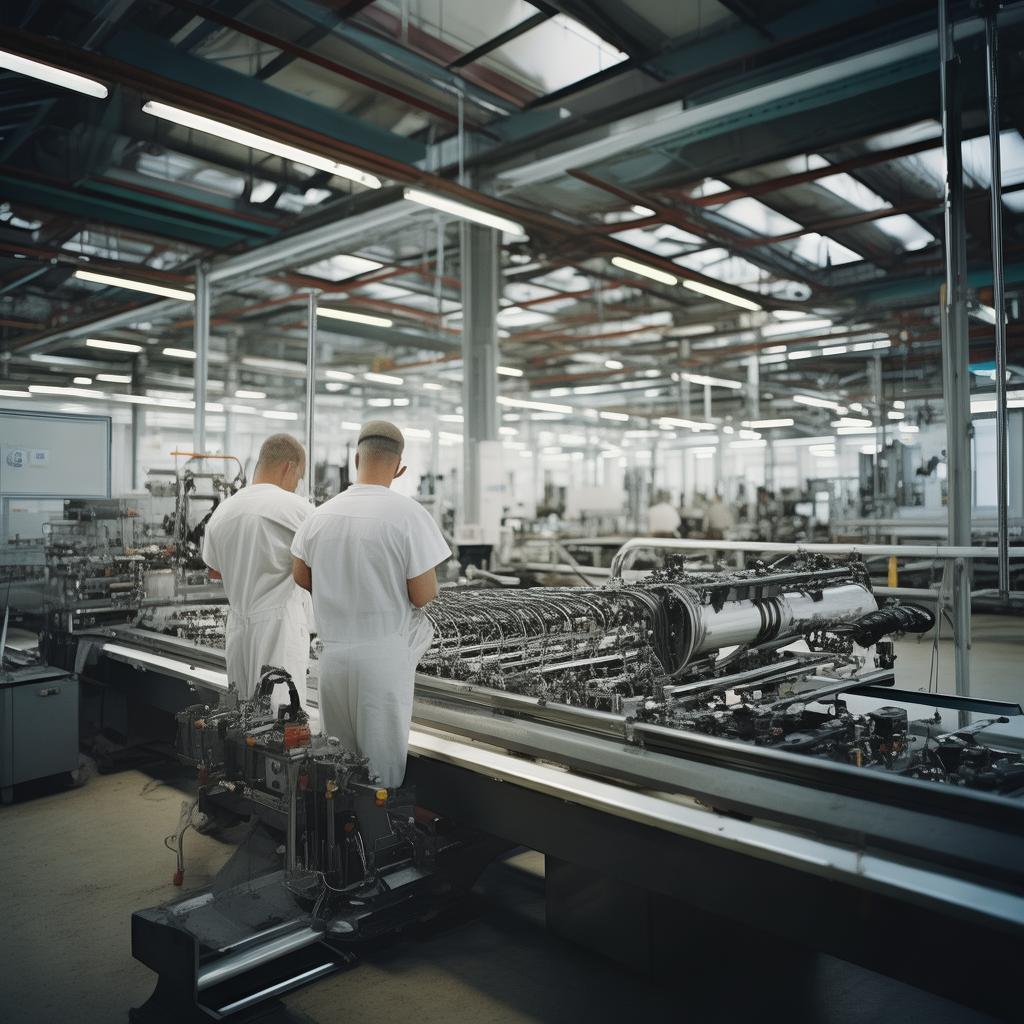
- Time-Saving: The combine's ability to perform multiple tasks in one go significantly reduces the time spent in the field.
- Cost-Effective: Decreases labor costs and increases the speed of harvest, leading to higher profitability.
- Improved Crop Quality: Reduces the risk of damage to corn during the harvesting process, preserving quality and market value.
- Enhanced Yield: Efficient harvesting techniques lead to less crop loss, maximizing the yield from each field.
- Operator Comfort: Modern combines are equipped with ergonomic controls and comfortable cabins, enhancing the operator's experience.
Why Choose Us
When considering how does a combine harvest corn, it is essential to partner with a reputable manufacturer. Here’s why you should choose us:
- Expertise: With years of experience in the agricultural machinery industry, we provide reliable and innovative solutions.
- Quality Assurance: Our combines undergo rigorous testing and quality control to ensure they meet the highest standards.
- Customer Support: We offer comprehensive after-sales support, including maintenance and troubleshooting assistance.
- Customization: Our combines can be tailored to meet specific agricultural needs and conditions.
- Sustainability Focus: We prioritize eco-friendly practices in our manufacturing processes.
FAQ
1. How does a combine harvest corn?
A combine harvester cuts the corn plants, separates the grain from the stalks, and cleans the grain in one continuous process, which enhances efficiency and reduces labor costs.
2. What types of corn can be harvested with a combine?
Combines are versatile and can harvest various types of corn, including sweet corn, field corn, and popcorn, depending on the configuration of the harvester.
3. How do I maintain a combine harvester?
Regular maintenance involves checking oil levels, cleaning filters, inspecting belts and chains, and ensuring that all components are functioning correctly to prevent downtime during harvest.
4. Can a combine harvester be used in wet conditions?
While it is possible to use a combine in wet conditions, it is generally recommended to wait until the soil is drier to avoid crop damage and ensure optimal harvesting performance.
5. What is the average lifespan of a combine harvester?
With proper maintenance, a combine harvester can last anywhere between 10 to 15 years, depending on usage, care, and model.


 English
  Afrikaans
  Albanian
  Amharic
  Arabic
  Armenian
  Azerbaijani
  Basque
  Belarusian
  Bengali
  Bosnian
  Bulgarian
  Catalan
  Cebuano
  Corsican
  Croatian
  Czech
Czech  Danish
  Dutch
Dutch  Esperanto
  Estonian
  Finnish
  French
  Frisian
  Galician
  Georgian
  German
  Greek
Greek  Gujarati
  Haitian Creole
  Hausa
Hausa  Hebrew
  Hindi
Hindi  Miao
Miao  Hungarian
  Icelandic
  Igbo
Igbo  Indonesian
  Irish
Irish  Italian
  Japanese
  Javanese
  Kazakh
  Khmer
Khmer  Rwandese
  Korean
  Kurdish
  Kyrgyz
  Lao
Lao  Latin
Latin  Latvian
  Lithuanian
  Luxembourgish
  Macedonian
  Malgashi
  Malay
Malay  Malayalam
  Maltese
  Maori
Maori  Marathi
  Mongolian
  Myanmar
  Nepali
  Norwegian
  Norwegian
  Occitan
  Pashto
  Persian
  Polish
  Portuguese
  Romanian
  Russian
  Samoan
  Scottish Gaelic
  Serbian
  Sesotho
  Shona
Shona  Sindhi
  Sinhala
  Slovak
  Slovenian
  Somali
  Spanish
  Sundanese
  Swahili
  Swedish
  Tajik
Tajik  Tamil
Tamil  Tatar
Tatar  Telugu
  Thai
Thai  Turkish
  Turkmen
  Ukrainian
  Urdu
Urdu  Uighur
  Uzbek
Uzbek  Vietnamese
  Welsh
Welsh  Bantu
Bantu  Yiddish
  Yoruba
  Zulu
Zulu