
Multicrop Seed Drill
The multicrop seed drill is a revolutionary agricultural implement designed for efficiency and versatility in modern farming. This innovative machinery allows farmers to plant a variety of seeds in a single operation, significantly improving productivity and reducing labor costs. With its advanced engineering, the multicrop seed drill is suitable for a multitude of crops, making it an indispensable tool for farmers looking to maximize their yields.
Key Features
- Versatile Planting: Capable of sowing multiple crop types such as grains, legumes, and oilseeds.
- Precision Engineering: Ensures accurate seed placement and optimal seed-to-soil contact for improved germination.
- Adjustable Depth Settings: Allows farmers to customize planting depth based on seed type and soil conditions.
- Durable Construction: Built with high-quality materials designed to withstand the rigors of agricultural use.
- Easy to Operate: User-friendly controls and design for quick setup and operation.
Technical Specifications
| Specification | Details |
|---|---|
| Model | MCSD-200 |
| Working Width | 2000 mm |
| Seed Capacity | 200 liters |
| Weight | 650 kg |
| Power Requirement | 45-60 HP |
| Seed Depth Adjustment | 0-10 cm |
| Material | High-strength steel |
Application Scenarios
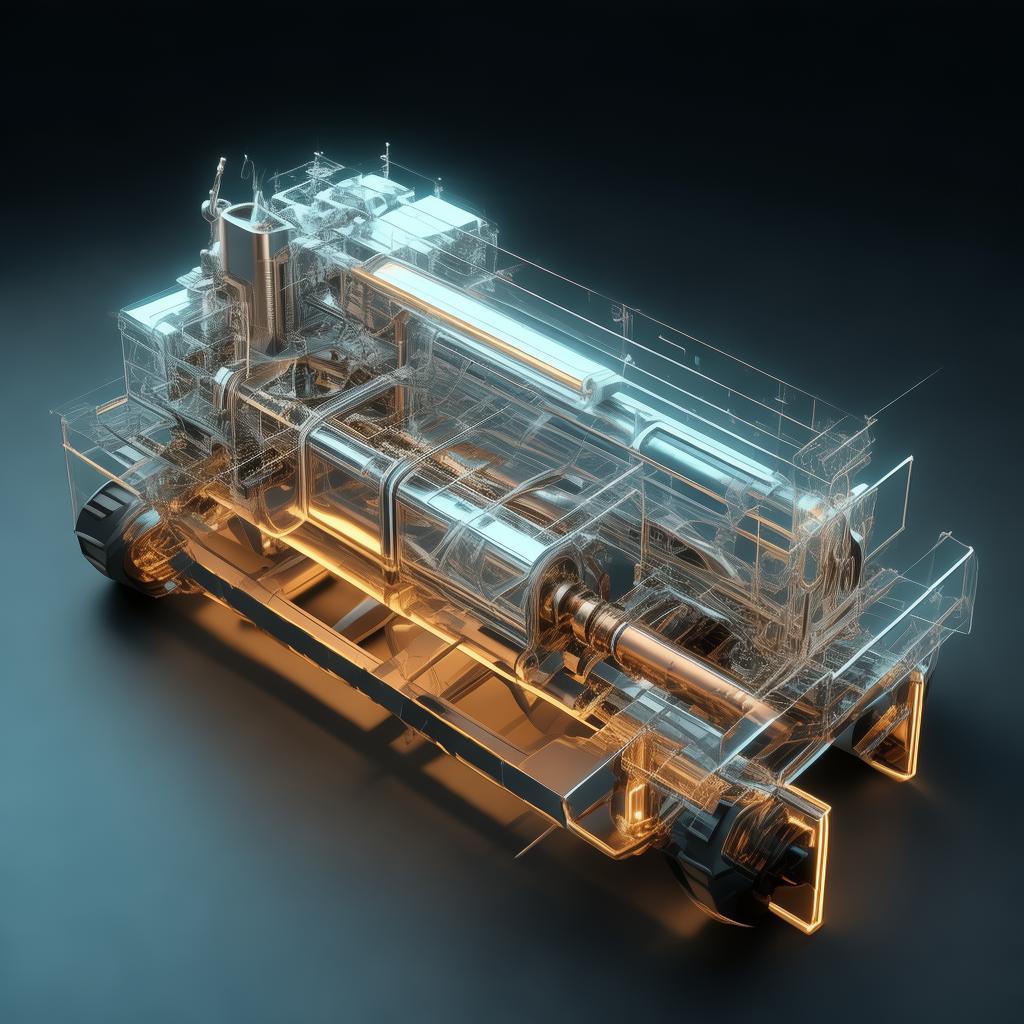
The multicrop seed drill is designed for diverse agricultural environments, making it ideal for various application scenarios:
- Cereal Crops: Perfect for sowing wheat, barley, and oats.
- Legumes: Efficiently plants beans, peas, and lentils.
- Oilseeds: Suitable for crops like canola and sunflower.
- Mixed Farming: Great for farms that cultivate multiple crop types in rotation or simultaneously.
- Conventional and Conservation Tillage: Works effectively in both tillage practices, ensuring flexibility for farmers.
Advantages
Investing in a multicrop seed drill offers numerous advantages for farmers:
- Increased Efficiency: Allows for quick planting of multiple crops, saving time and labor.
- Cost-Effective: Reduces the need for multiple machines, cutting down overall equipment costs.
- Improved Crop Yields: Ensures optimal seed placement and soil contact, enhancing germination rates.
- Versatility: Adaptable to various crop types and field conditions, making it suitable for a wide range of agricultural operations.
- Environmental Sustainability: Minimizes soil disturbance, promoting healthier soil ecosystems.
Why Choose Us
When it comes to purchasing a multicrop seed drill, choosing the right supplier is crucial. Here’s why we are the preferred choice:
- Expertise: With years of experience in the agricultural machinery industry, we understand the needs of modern farmers.
- Quality Assurance: Our products undergo rigorous testing to ensure they meet the highest standards of performance and reliability.
- Customer Support: We offer comprehensive support and service to assist you throughout the lifecycle of your equipment.
- Innovative Technology: Our multicrop seed drill incorporates the latest advancements in agricultural technology for superior efficiency.
- Global Reach: We serve customers worldwide, providing tailored solutions for diverse agricultural practices.
FAQ
1. What types of seeds can the multicrop seed drill plant?
The multicrop seed drill is designed to plant a variety of seeds, including grains like wheat and barley, legumes such as beans and peas, and oilseeds like canola and sunflower.
2. How does depth adjustment work?
The seed drill features adjustable depth settings, allowing users to customize the planting depth from 0 to 10 cm based on the specific seed type and soil conditions.
3. Is the multicrop seed drill suitable for all soil types?
Yes, the multicrop seed drill is engineered to perform well in various soil types, including sandy, loamy, and clay soils.
4. What is the power requirement for operating the multicrop seed drill?
The machine requires a tractor with a power output of 45 to 60 HP to operate effectively.
5. How can I maintain the multicrop seed drill?
Regular maintenance includes cleaning, lubricating moving parts, checking for wear and tear, and ensuring that all components are functioning correctly. Following the manufacturer’s maintenance guidelines will prolong the life of your equipment.



 English
  Afrikaans
  Albanian
  Amharic
  Arabic
  Armenian
  Azerbaijani
  Basque
  Belarusian
  Bengali
  Bosnian
  Bulgarian
  Catalan
  Cebuano
  Corsican
  Croatian
  Czech
Czech  Danish
  Dutch
Dutch  Esperanto
  Estonian
  Finnish
  French
  Frisian
  Galician
  Georgian
  German
  Greek
Greek  Gujarati
  Haitian Creole
  Hausa
Hausa  Hebrew
  Hindi
Hindi  Miao
Miao  Hungarian
  Icelandic
  Igbo
Igbo  Indonesian
  Irish
Irish  Italian
  Japanese
  Javanese
  Kazakh
  Khmer
Khmer  Rwandese
  Korean
  Kurdish
  Kyrgyz
  Lao
Lao  Latin
Latin  Latvian
  Lithuanian
  Luxembourgish
  Macedonian
  Malgashi
  Malay
Malay  Malayalam
  Maltese
  Maori
Maori  Marathi
  Mongolian
  Myanmar
  Nepali
  Norwegian
  Norwegian
  Occitan
  Pashto
  Persian
  Polish
  Portuguese
  Romanian
  Russian
  Samoan
  Scottish Gaelic
  Serbian
  Sesotho
  Shona
Shona  Sindhi
  Sinhala
  Slovak
  Slovenian
  Somali
  Spanish
  Sundanese
  Swahili
  Swedish
  Tajik
Tajik  Tamil
Tamil  Tatar
Tatar  Telugu
  Thai
Thai  Turkish
  Turkmen
  Ukrainian
  Urdu
Urdu  Uighur
  Uzbek
Uzbek  Vietnamese
  Welsh
Welsh  Bantu
Bantu  Yiddish
  Yoruba
  Zulu
Zulu