
What is the Use of Seeder
A seeder is an essential agricultural tool designed to streamline the planting process, enhancing efficiency and accuracy. The question "what is the use of seeder" often arises among farmers and agricultural professionals seeking to optimize crop yields. This product page delves into the details surrounding seeders, showcasing their features, specifications, applications, and advantages.
Product Overview
Seeders are engineered to distribute seeds evenly across the soil, ensuring proper depth and spacing for optimal growth. They are available in various types, including hand-held, mechanical, and pneumatic seeders, each suited to different farming scales and crop types. Understanding "what is the use of seeder" not only involves recognizing its role in planting but also appreciating the technology that enhances agricultural productivity.
Key Features
- Precision Planting: Ensures consistent seed placement, reducing waste and increasing germination rates.
- Adjustable Settings: Allows farmers to customize seed depth and spacing according to different crop requirements.
- Durable Construction: Built with high-quality materials to withstand the rigors of farming environments.
- Ergonomic Design: User-friendly design minimizes operator fatigue during prolonged use.
- Versatile Use: Suitable for a wide variety of seeds, from grains to vegetables.
Technical Specifications
| Specification | Details |
|---|---|
| Type | Mechanical, Pneumatic, Hand-held |
| Seed Capacity | Varies by model (up to 10 kg) |
| Row Spacing | Adjustable (15-30 cm) |
| Weight | Lightweight (5-15 kg depending on model) |
| Material | High-grade Steel and Plastic |
| Warranty | 1 Year Limited Warranty |
Application Scenarios
Understanding "what is the use of seeder" involves recognizing its diverse applications in modern agriculture:
- Crop Production: Used extensively in large-scale farming for efficient planting of cereals, legumes, and oilseeds.
- Vegetable Farming: Ideal for planting various vegetable seeds ensuring optimal spacing and depth.
- Community Gardens: Perfect for urban agriculture, allowing community members to plant in an organized manner.
- Research and Development: Utilized in agricultural research for precise planting in experimental setups.
- Organic Farming: Supports sustainable practices by reducing seed waste and promoting soil health.
Advantages
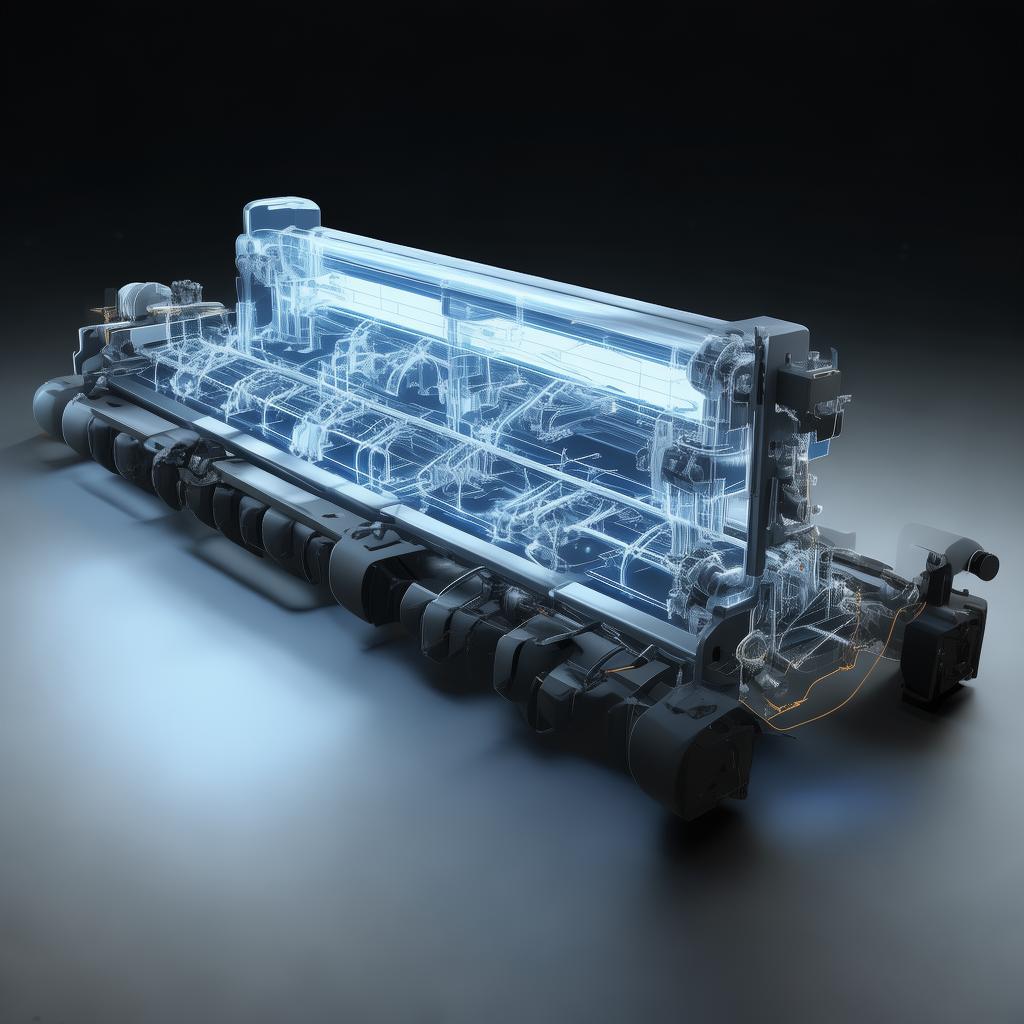
Investing in a seeder provides multiple benefits, making it a valuable asset for farmers:
- Increased Efficiency: Significantly reduces the time and labor required for planting compared to manual methods.
- Improved Seed Germination: Ensures optimal seed placement, leading to higher germination rates and healthier plants.
- Cost-Effective: Reduces the overall cost of seed usage by minimizing waste and maximizing yields.
- Adaptability: Can be adjusted for different soil conditions and crop types, enhancing versatility.
- Enhanced Soil Health: Proper planting depth and spacing contribute to better soil aeration and moisture retention.
Why Choose Us
When exploring "what is the use of seeder," it is essential to choose a reliable supplier. Here’s why we stand out:
- Quality Assurance: Our seeders are manufactured using the highest quality materials and undergo rigorous testing to ensure durability and performance.
- Expertise: With years of experience in the agricultural sector, we provide expert advice and support tailored to your needs.
- Customer-Centric Approach: We prioritize customer satisfaction, offering personalized solutions and responsive service.
- Innovative Technology: Our seeders incorporate the latest technology to enhance planting efficiency and effectiveness.
- Global Reach: We serve clients worldwide, adapting our products to meet diverse agricultural practices and environmental conditions.
FAQ
1. What is the use of seeder in agriculture?
A seeder is primarily used for planting seeds in a precise manner, ensuring that they are evenly distributed at the correct depth, which is vital for optimal growth.
2. Can a seeder be used for all types of seeds?
Most seeders are versatile and can handle a variety of seeds; however, specific models may be designed for particular seed types, so it’s essential to check compatibility.
3. How do I maintain my seeder?
Regular maintenance includes cleaning after use, lubricating moving parts, and checking for wear and tear to ensure longevity and performance.
4. Is it easy to operate a seeder?
Yes, most seeders are designed for ease of use, with ergonomic designs and adjustable settings to accommodate different user needs and preferences.
5. Are seeders suitable for small farms?
Absolutely! There are various models available that cater to small farms and even home gardens, making them accessible for any scale of planting operation.


 English
  Afrikaans
  Albanian
  Amharic
  Arabic
  Armenian
  Azerbaijani
  Basque
  Belarusian
  Bengali
  Bosnian
  Bulgarian
  Catalan
  Cebuano
  Corsican
  Croatian
  Czech
Czech  Danish
  Dutch
Dutch  Esperanto
  Estonian
  Finnish
  French
  Frisian
  Galician
  Georgian
  German
  Greek
Greek  Gujarati
  Haitian Creole
  Hausa
Hausa  Hebrew
  Hindi
Hindi  Miao
Miao  Hungarian
  Icelandic
  Igbo
Igbo  Indonesian
  Irish
Irish  Italian
  Japanese
  Javanese
  Kazakh
  Khmer
Khmer  Rwandese
  Korean
  Kurdish
  Kyrgyz
  Lao
Lao  Latin
Latin  Latvian
  Lithuanian
  Luxembourgish
  Macedonian
  Malgashi
  Malay
Malay  Malayalam
  Maltese
  Maori
Maori  Marathi
  Mongolian
  Myanmar
  Nepali
  Norwegian
  Norwegian
  Occitan
  Pashto
  Persian
  Polish
  Portuguese
  Romanian
  Russian
  Samoan
  Scottish Gaelic
  Serbian
  Sesotho
  Shona
Shona  Sindhi
  Sinhala
  Slovak
  Slovenian
  Somali
  Spanish
  Sundanese
  Swahili
  Swedish
  Tajik
Tajik  Tamil
Tamil  Tatar
Tatar  Telugu
  Thai
Thai  Turkish
  Turkmen
  Ukrainian
  Urdu
Urdu  Uighur
  Uzbek
Uzbek  Vietnamese
  Welsh
Welsh  Bantu
Bantu  Yiddish
  Yoruba
  Zulu
Zulu